Smart Technology in Strata Buildings — From Digital Intercoms to AI Maintenance Alerts
The average Australian apartment building runs on technology that hasn't changed much since the 1990s. Analogue intercoms. Paper notice boards. Manual meter reads. Maintenance schedules driven by complaints rather than data. Meanwhile, commercial buildings have embraced smart building systems that cut operating costs by 15–30% and dramatically improve occupant experience.
The gap is closing. A new generation of smart building technologies is becoming affordable and practical for residential strata — from intelligent intercoms to predictive maintenance systems. Here's what's transforming apartment living.
The Smart Building Stack
Smart building technology for strata can be broken into several layers, each addressing different aspects of building management:
| Technology Layer | Examples | Typical Cost (50-Lot Building) | Annual Savings / Benefits |
|---|---|---|---|
| Access and Security | Digital intercoms, smart locks, video surveillance, mobile app access | $15,000–,000 | Reduced security incidents; no more lost keys/fobs; visitor management |
| Energy Management | Smart lighting, HVAC optimisation, solar monitoring, sub-metering | $10,000–,000 | 15–30% reduction in common area energy costs |
| Communication | Digital notice boards, resident apps, online voting, document portals | $2,000–,000 | Better engagement; faster communication; reduced admin costs |
| Maintenance | IoT sensors (leak detection, HVAC monitoring), predictive analytics, digital work orders | $5,000–,000 | Earlier defect detection; reduced emergency repair costs; longer equipment life |
| Parking and EV | Smart parking sensors, EV charge management, visitor parking booking | $5,000–,000 | Optimised parking utilisation; EV load management; visitor convenience |
Digital Intercoms: The Gateway Upgrade
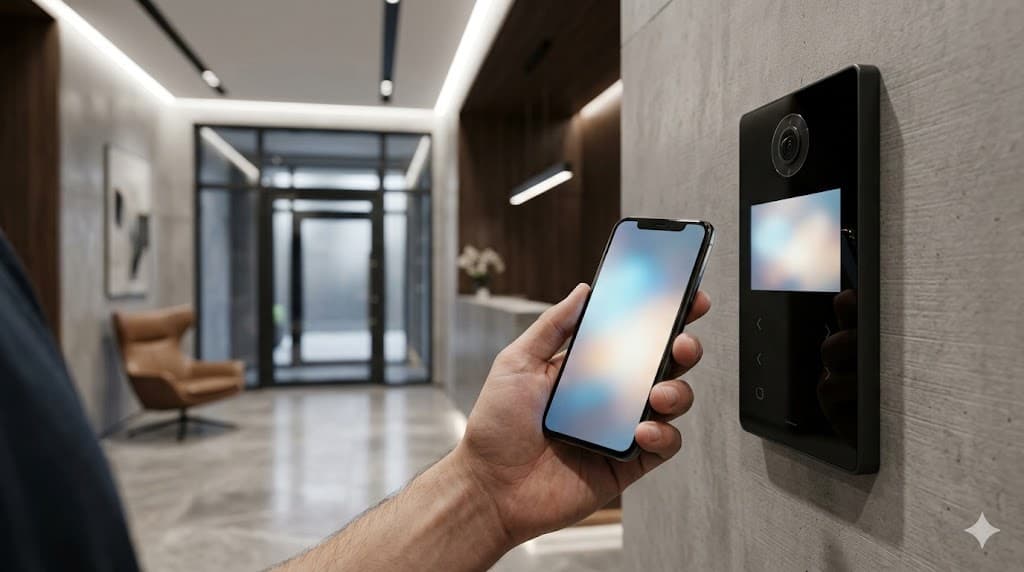
The intercom system is often the first smart technology upgrade for a strata building — and for good reason. Modern digital intercom systems replace ageing analogue units with video calling to residents' smartphones, mobile app-based visitor access (no more missed deliveries), temporary access codes for tradespeople and guests, integration with parcel lockers and concierge services, audit trails showing who accessed the building and when, and remote management by the strata manager.
The cost of upgrading from analogue to digital intercom typically ranges from – per lot (installed), with minimal ongoing costs. Given the improvement in security, convenience, and the elimination of expensive analogue maintenance calls, the payback is often under three years.
IoT Sensors: The Silent Watchdogs
Internet of Things (IoT) sensors are transforming maintenance in strata buildings. Small, wireless sensors can be placed throughout a building to monitor for water leaks in plant rooms, risers and wet areas — detecting problems in hours rather than weeks, temperature and humidity in common areas — identifying HVAC inefficiencies, lift performance metrics — predicting maintenance needs before breakdowns, fire system status — continuous monitoring rather than periodic inspections, and car park ventilation — ensuring air quality compliance while minimising energy waste.
The data from these sensors feeds into a building management dashboard that can alert the strata manager and committee to emerging issues before they become expensive emergencies. A water leak sensor that costs can save ,000 in water damage rectification by catching a burst pipe in the first hour rather than the first week.
Resident Communication Apps
Paper notice boards and circular emails are giving way to dedicated resident communication platforms. These apps typically provide instant notifications for building matters (maintenance schedules, emergency notices, AGM reminders), online booking for common facilities (BBQ areas, meeting rooms, visitor parking), digital document access (by-laws, minutes, financial reports), community forums for resident discussion, maintenance request submission and tracking, and online voting for general meeting resolutions.
Platforms like BuildingLink, Mybos, and Stratafy are increasingly common in Australian strata buildings. The cost is typically – per lot per month — a fraction of the administrative time saved.
Energy Management Systems
Smart energy management is one of the highest-return technology investments for strata buildings. Systems that optimise common area lighting (motion sensors, daylight harvesting, LED upgrades), HVAC scheduling (adjusting heating and cooling based on actual occupancy rather than fixed schedules), pool pump and hot water system timing (shifting to off-peak tariffs), and solar generation monitoring and battery dispatch can reduce common area electricity costs by 15–30% — which for a medium-sized building can translate to ,000–,000 per year in savings.
Getting Smart Technology Approved in Strata
The approval process depends on the cost and scope of the technology:
| Expenditure Level | Typical Approval Required | Examples |
|---|---|---|
| Under committee spending limit (varies by state/scheme) | Committee decision only | IoT sensors, communication app subscription, LED lighting upgrades |
| Above committee limit, below major works threshold | Ordinary resolution at general meeting | Digital intercom upgrade, energy management system |
| Major capital works | Special resolution or sustainability infrastructure resolution | Full building management system, solar + battery + EV charging integration |
For energy-related technology in NSW, the sustainability infrastructure pathway (simple majority) may apply — making approval significantly easier.
Privacy and Data Considerations
Smart building technology collects data. Camera footage, access logs, energy usage patterns, and sensor data all raise legitimate privacy concerns. Best practice for strata buildings includes developing a clear privacy policy covering what data is collected, how it's stored, and who can access it, ensuring camera and sensor placements comply with state surveillance legislation, limiting data retention periods (for example, keeping CCTV footage for 30 days unless required for an investigation), using Australian-hosted data platforms where possible, and briefing residents on the technology before installation — transparency builds trust.
The Future: AI-Powered Building Management
The next frontier is artificial intelligence applied to building management data. AI systems can analyse patterns in sensor data to predict equipment failures weeks before they occur, optimise energy consumption in real-time based on weather forecasts, occupancy patterns and tariff structures, automate routine maintenance scheduling based on actual usage rather than arbitrary time intervals, and flag anomalies — like a sudden spike in water usage that might indicate a hidden leak.
While full AI-powered building management is still emerging in the residential strata market, the foundation technologies (sensors, connectivity, data platforms) are available now. Buildings that invest in smart infrastructure today will be best positioned to leverage AI capabilities as they mature.
How UnitBuddy Helps
UnitBuddy's building assessment incorporates technology readiness as a component of overall building wellness. Buildings with smart security, energy management, and maintenance monitoring systems score higher — reflecting the operational efficiency and reduced risk that comes with modern building management.
Smart building technology isn't about gadgets — it's about running your building more efficiently, catching problems earlier, and making apartment living more convenient. The buildings that adopt it now will be the ones that attract the best residents and retain the highest property values.