How to Raise a Strata Dispute Without Making Enemies of Your Neighbours
Living in strata means sharing walls, hallways, lifts and decisions with dozens — sometimes hundreds — of other people. Disputes are inevitable. The question isn't whether you'll have one, but how you'll handle it when it arrives.
The residents who navigate strata disputes most successfully share a common approach: they focus on resolution, not retribution. They document clearly, communicate calmly, and escalate systematically. They also understand that the person they're in dispute with today is the person they'll see in the lift tomorrow.
The Most Common Strata Disputes
Understanding what drives disputes helps you anticipate and manage them:
| Dispute Category | Share of Total Disputes | Typical Trigger |
|---|---|---|
| Noise | ~30% | Hard flooring, music, pets, parties, renovations |
| Parking | ~15% | Unauthorised parking, visitor spot abuse, EV charging access |
| Common property maintenance | ~15% | Committee inaction on repairs; disagreement over spending priorities |
| Pets | ~10% | Unapproved pets, barking, common area behaviour |
| Renovations | ~10% | Unapproved works, noise during renovation, structural concerns |
| By-law breaches (other) | ~10% | Short-term letting, smoking, storage on common property |
| Financial / levy disputes | ~10% | Special levies, budget disagreements, committee spending |
The Resolution Pathway: A Step-by-Step Guide
Step 1: Talk First
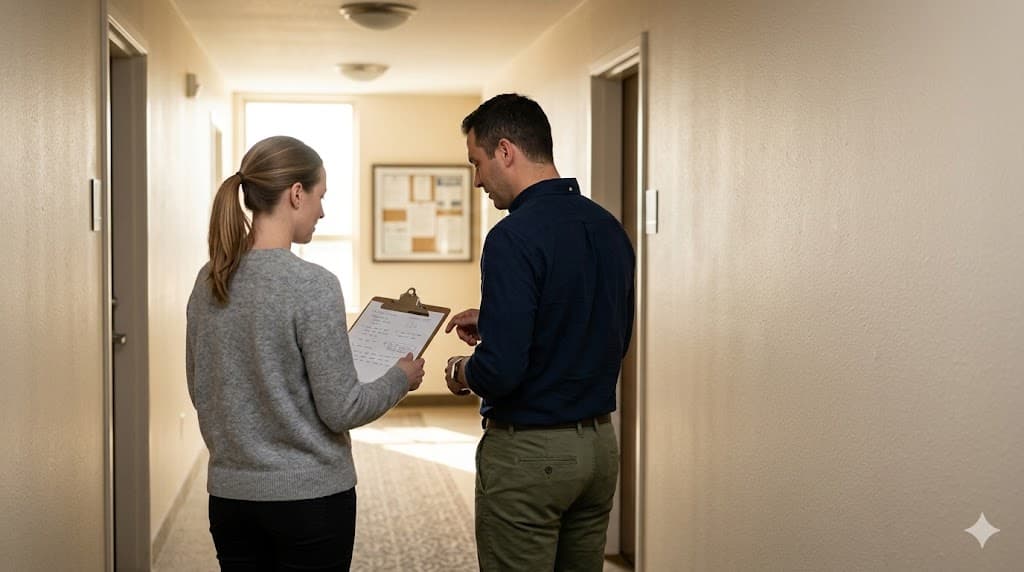
This sounds obvious, but it's the step most people skip — often out of anxiety about confrontation. A calm, respectful conversation resolves the majority of strata disputes before they become formal complaints.
Approach the conversation with curiosity rather than accusation. "I've been noticing some noise from your apartment in the evenings — is everything okay?" is far more effective than "Your music is too loud and you're breaking the by-laws."
If face-to-face conversation feels uncomfortable, a written note is fine. Keep it brief, factual and friendly.
Step 2: Document
If direct communication doesn't resolve the issue, start building a record. Keep a log of dates, times, and the nature of the issue. Take photographs or videos where relevant. Save copies of any correspondence. Note any witnesses. This documentation will be essential if the dispute escalates to mediation or NCAT.
Step 3: Formal Complaint to the Strata Manager
Lodge a written complaint with the strata managing agent. The strata manager's role is to bring the complaint to the committee's attention and facilitate a resolution. The committee may issue a notice to comply if a by-law is being breached, arrange informal mediation between the parties, or take other action within its authority.
Step 4: Mediation Through Fair Trading
If the committee can't resolve the issue, you can apply for free mediation through NSW Fair Trading (or the equivalent body in your state). Mediation is a structured, facilitated conversation aimed at finding a mutually acceptable outcome. It is voluntary — both parties must agree to participate — and any agreement reached is only binding if both parties consent.
Mediation has a surprisingly high success rate for strata disputes. The presence of a neutral third party often breaks deadlocks and helps both sides see the issue more clearly.
Step 5: NCAT Application
If mediation fails (or the other party refuses to participate), you can apply to the NSW Civil and Administrative Tribunal. NCAT has broad powers to resolve strata disputes, including ordering compliance with by-laws, imposing financial penalties for breaches, ordering the owners corporation to carry out repairs, and making orders about the use of common property.
Filing fees range from to for most strata matters. You don't need a lawyer for NCAT, though legal representation is permitted and recommended for complex disputes.
| Resolution Stage | Cost | Typical Timeline | Binding? |
|---|---|---|---|
| Direct conversation | Free | Immediate | No (but often effective) |
| Strata manager/committee | Free | 2–6 weeks | Committee decisions are enforceable |
| Fair Trading mediation | Free | 4–8 weeks | Only if both parties agree to terms |
| NCAT hearing | $52– | 3–6 months | Yes — legally binding orders |
| Supreme Court (rare) | $10,000+ | 12+ months | Yes |
What Not to Do
Some approaches reliably make strata disputes worse:
Don't go public on social media. Posting about your neighbours on Facebook or in building WhatsApp groups escalates conflict and can expose you to defamation claims. Keep disputes private and channel them through proper processes.
Don't retaliate. Responding to noise with noise, or to a parking dispute with passive-aggressive notes, creates a cycle that's hard to break. Stay above it.
Don't bypass the process. Going directly to NCAT without first attempting mediation will likely result in your application being referred back to mediation anyway. Follow the steps in order.
Don't make it personal. Focus on the behaviour, not the person. "The noise between 11pm and 1am is affecting my sleep" is a by-law issue. "You're a terrible neighbour" is a personal attack.
Don't delay. The longer a dispute festers without formal action, the more entrenched both positions become. If direct conversation hasn't worked within a few weeks, escalate to the strata manager.
Building a Dispute-Resistant Community
The best strata committees actively work to prevent disputes before they start. Strategies that work include clear, well-drafted by-laws that set expectations upfront, a welcome pack for new residents explaining building rules and culture, regular communication from the committee about building matters, a transparent and responsive complaint-handling process, and social events that build relationships between residents — people are far less likely to have bitter disputes with neighbours they know personally.
How UnitBuddy Helps
UnitBuddy's building wellness assessment includes governance indicators that reflect how well a building manages disputes. Buildings with responsive committees, clear by-laws, and effective communication score higher — because good governance correlates directly with resident satisfaction and property value.
Every strata building has disputes. The difference between a well-run building and a dysfunctional one isn't the absence of conflict — it's the presence of good systems for resolving it.